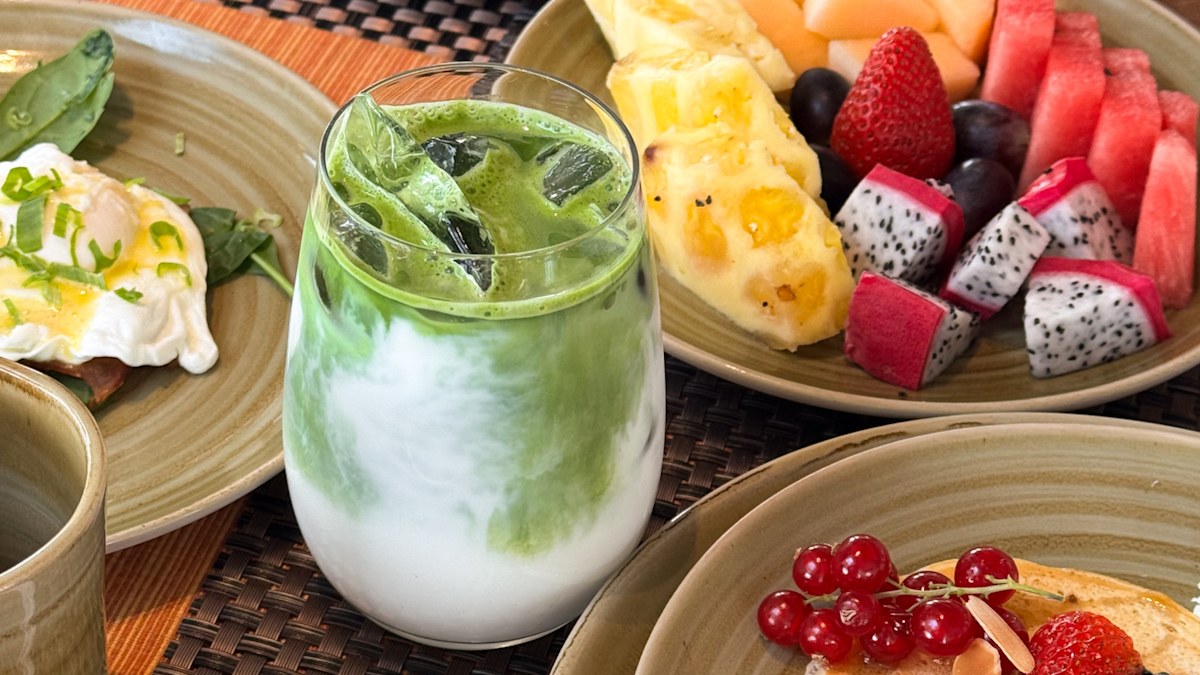
In the world of online nutrition content, protein and fibre seem to be the words on everyone’s lips (or, well, fingertips). But for many Aussies, iron is also an important consideration when it comes to what we eat.
Chances are you have an idea of the foods that can deliver a decent iron hit – red meat sprang to mind, didn’t it? – but what you might not realise is some foods and drinks can actually impact our body’s iron absorption when consumed at the same time.
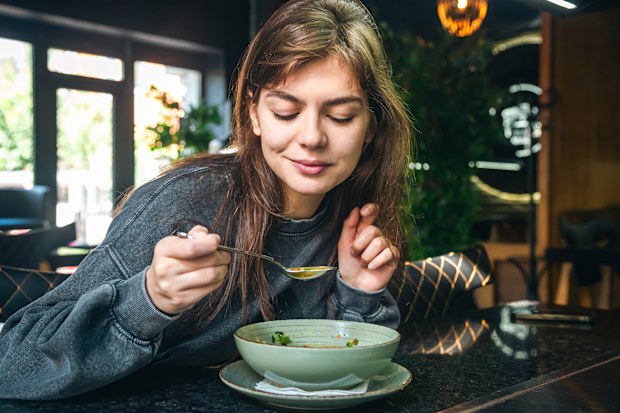
Some foods and drinks can impact how our bodies absorb iron when consumed at the same time. iStock
The topic even made headlines last year, courtesy of TikTok. In a handful of viral videos, content creators shared the discovery their daily matcha drinks had negatively impacted their iron levels, declaring, “RIP to my matcha habit”.
So, is this really the case? And is iron absorption something everyone needs to be mindful of? Dietitian Danielle Shine is here to iron (…sorry) out the facts and fictions.
The role of iron – and how much we need
“Iron is an essential mineral, meaning our bodies can’t produce it, so we need to get it from our diet,” Shine told nine.com.au, explaining it is needed for a range of important processes.
These include haemoglobin, a protein in red blood cells that carries oxygen from the lungs to the tissues, and myoglobin, a protein in our muscles. Iron also supports immune function and plays a role in energy production, DNA creation, and development and function of the brain and nervous system.
The recommended daily intake of iron varies by age and sex. Adult men 19 and over require 8mg, while women aged 19-50 require 18mg per day. This drops to 8mg from age 51, as women need more iron during their reproductive years due to menstruation. The required daily intake rises to 27mg during pregnancy to support increased demands on the body.
However, Shine says for most people, there’s no need to “closely track iron intake or worry about maximising iron absorption at every meal”.
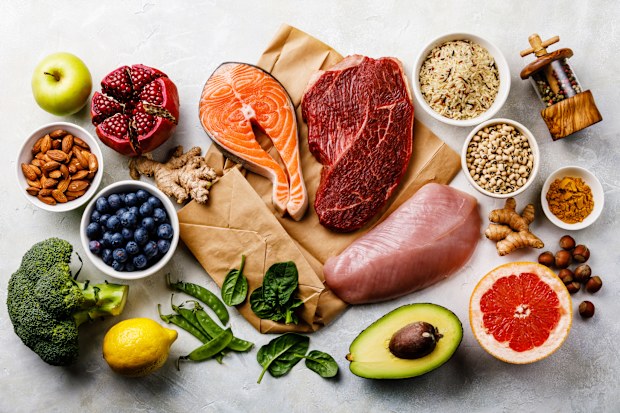
As our bodies can’t produce iron, we need to get it from our diet. Getty
“Eating a varied, well-balanced diet that includes a range of iron-containing foods is generally enough to meet the body’s needs.”
Shine adds: “People who have diagnosed iron deficiency or are at higher risk of iron deficiency may benefit from paying more attention to their iron intake and, where appropriate, factors that affect iron absorption.”
You might fall into this category if you menstruate (particularly with heavy bleeding), if you are pregnant, if you eat little or no animal food, or if you have a medical condition that can cause blood loss or impact iron absorption.
How other foods and drinks impact absorption
There are two main forms of iron – haem iron, found in animal foods, and non-haem iron, the main form found in plant foods and used in iron-fortified foods.
Sources of haem iron include things like meat, poultry, fish and seafood, and the iron content can differ based on the food, whether it’s raw or cooked, and how it’s prepared. Non-haem iron sources include legumes, tofu and other soy products, wholegrains, nuts, seeds, dried fruit and some vegetables.

Yes, matcha – and other types of tea – can inhibit your absorption of iron from other foods when consumed at the same time. But read on before you change your habits. iStock
“Non-haem iron is generally less readily absorbed than haem iron, and its absorption is more strongly influenced by other components of the meal,” Shine notes.
Iron absorption inhibitors
Some dietary items can reduce absorption when consumed with an iron-containing meal. This is often due to naturally occurring compounds like phytates and polyphenols, which can bind to iron and make it less available for absorption.
Shine stresses these interactions are most relevant for people with a higher risk, or a diagnosis, of iron deficiency, or who have been advised by a healthcare professional to maximise their iron absorption:
Tea made from Camellia sinensis, including black, green, white and matcha varieties, which contain compounds like polyphenols.Coffee, including decaf: “[This is] likely in part because of its polyphenol content, including chlorogenic acids.”Red wine, which also contains polyphenols.Calcium: This applies to dietary calcium, while calcium supplements can also reduce iron absorption when consumed with iron supplements.Legumes, wholegrains, nuts and seeds: These foods contain phytates, but are also “nutritious sources of iron and other important nutrients, so this isn’t a reason to avoid them,” Shine notes.
Ascorbic acid, or vitamin C, is the most well-established dietary enhancer of non-haem iron absorption. iStock
Iron absorption enhancers
Give it up for ascorbic acid, aka vitamin C! Shine says this is the most well-established dietary enhancer of non-haem iron absorption, and can also counteract some of the inhibitory effects from other dietary items.
“Meat, fish and poultry can also enhance the absorption of non-haem iron when eaten in the same meal … although the precise mechanism isn’t fully understood,” she adds.
Food preparation can also have an impact: “Soaking, sprouting and fermenting legumes and grains can reduce their phytate content, which may increase the bioavailability of the non-haem iron they contain,” Shine says.
“Cooking can also reduce phytate levels, although the effect varies depending on the food and preparation method.”
A matter of timing
Shine says there’s no “single, precisely defined time window” in which these impacts on absorption occur, but the effect “is generally strongest when an inhibitor or enhancer is consumed as part of the same meal as the iron.”
“For example, tea and coffee can reduce non-haem iron absorption when consumed with an iron-containing food or meal. But for most people, there’s no need to carefully time every cup of tea or coffee,” she explained.
“However, for people with diagnosed iron deficiency or at higher risk of deficiency, paying more attention to the timing and composition of meals can help maximise iron absorption.”
What can I do about it?
Generally speaking, Shine says most people don’t need to “micromanage” their iron absorption, with the best option being eating “a varied, well-balanced diet that includes a range of iron-containing foods”.
However, for those who may benefit from attention being paid to their iron intake and absorption, there are day-to-day tweaks that can make a difference. Shine suggests:
Pair plant sources of non-haem iron with vitamin C-rich foods, such as capsicum, tomatoes, broccoli, kiwifruit, berries or citrus fruit. For example, baked beans on iron-fortified toast with cooked tomato, or a tofu stir-fry with mixed vegetables.Have tea and coffee between meals, rather than with iron-rich meals.Drink red wine away from iron-rich meals.Pair meat, fish or poultry with plant sources of iron.Choose soaked, sprouted or fermented legumes and grains, where practical.Try to avoid consuming large amounts of calcium-containing foods and drinks at the same time as an iron-rich meal.Choose iron-fortified foods, such as fortified wholegrain breakfast cereals, bread or milk alternatives, where available.If eating iron-fortified cereal with milk, add vitamin C-rich fruit such as strawberries, kiwifruit or citrus fruit.A parting message
When it comes to your iron levels, don’t make assumptions based on symptoms like feeling tireder than usual – Shine says these don’t automatically indicate low iron.
“Iron deficiency can result from a range of factors, including inadequate intake, increased requirements, blood loss or impaired absorption,” she says.
Instead, if you have symptoms or risk factors for iron deficiency, see your GP – they can assess you and decide whether investigation is needed. If a deficiency is confirmed, the underlying cause needs to then be identified and addressed.
“Dietary changes can help improve iron intake, but may not be enough to correct the deficiency,” Shine says, adding that supplements can be helpful when used under a doctor’s instruction, but shouldn’t be used “just in case”.
“Unnecessary or excessive iron supplementation can cause gastrointestinal side effects and, in some cases, substantial harm.”